 Italiano
 English
 Español
 Português
 Deutsch
 Français

News 2 min read
Italy Under Cyberattack: NoName57 Strikes
In recent days, Italy has been targeted by a series of cyberattacks attributed to NoName57
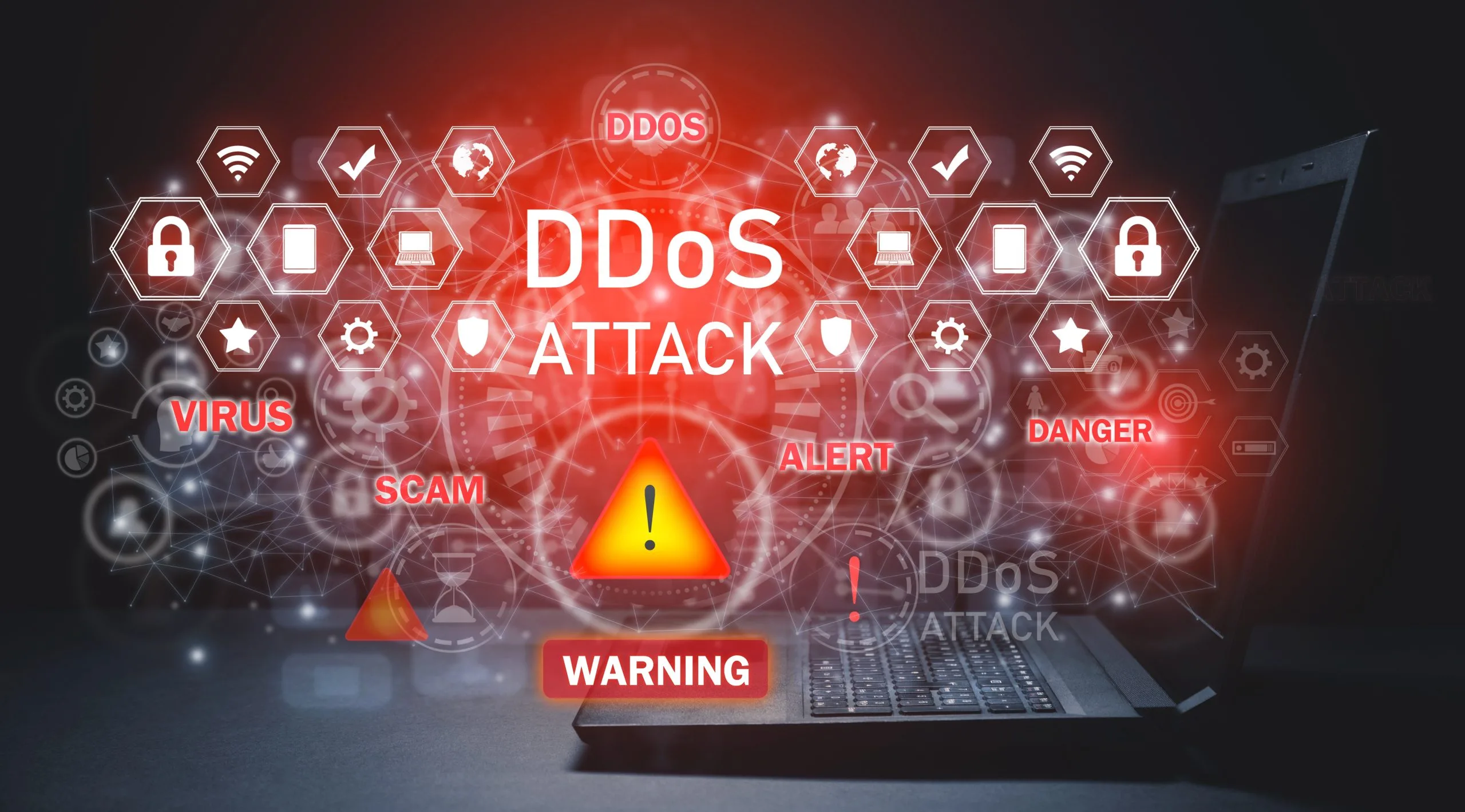
In recent days, Italy has experienced a series of cyberattacks (NoName57) affecting numerous sectors and exposing vulnerabilities in the country's digital infrastructure. The pro-Russian hacker group NoName057(16), active since March 2022, has stepped up its operations against institutional websites and major companies, using Distributed Denial of Service (DDoS) attacks to make strategically important platforms inaccessible.

NoName057 targets institutions and businesses
NoName057(16)'s strategy relies on botnets: networks of compromised devices — computers, servers, routers and IoT equipment — remotely controlled to overwhelm websites with huge volumes of requests. A distinctive feature of this approach is the use of the DDosia platform, which allows sympathisers to participate in operations in exchange for financial rewards. This form of cybercrime 'crowdsourcing' has expanded the reach of the campaign, causing disruption not only in Italy but also in other European countries.

Possible motives behind the attacks
According to statements published on the group's Telegram channel, the attacks were a direct response to recent remarks by Italian President Sergio Mattarella. Speaking at the University of Marseille, the head of state had compared Russia's actions to Nazi expansionism, provoking an angry reaction from the hackers. In this context, the collective described its campaign as a 'punishment for Italy' in response to the president's political statements. Tensions rose further when, earlier this morning, Russian Foreign Ministry spokesperson Maria Zakharova said that Mattarella's words 'will not go without consequences', highlighting the possibility of international repercussions.

How to mitigate the attacks
To counter this threat, Italian authorities have adopted advanced monitoring systems and implemented measures to mitigate malicious traffic. Techniques such as rate limiting, which restricts the number of requests accepted within a given period, and the use of anti-DDoS services, as recommended by the Italian National Cybersecurity Agency (ACN), have helped reduce the impact of the attacks. However, the constant evolution of cyber threats requires cyber intelligence to be continually updated and close cooperation with international partners.

In conclusion, the NoName057(16) campaign represents not only a technical challenge for Italy's digital security but also a sign of rising geopolitical tensions. At a time when digital weapons are playing an increasingly prominent role, strengthening cyber defences is essential, as is fostering international cooperation to combat cybercrime effectively and protect critical infrastructure.