 Italiano
 English
 Español
 Português
 Deutsch
 Français

News 3 min read
Cybersecurity Considerations for Operational Technology (OT)
Operational Technology (OT) includes hardware and software used to alter, monitor or control physical devices, business processes and events. Unlike Information Technology systems...
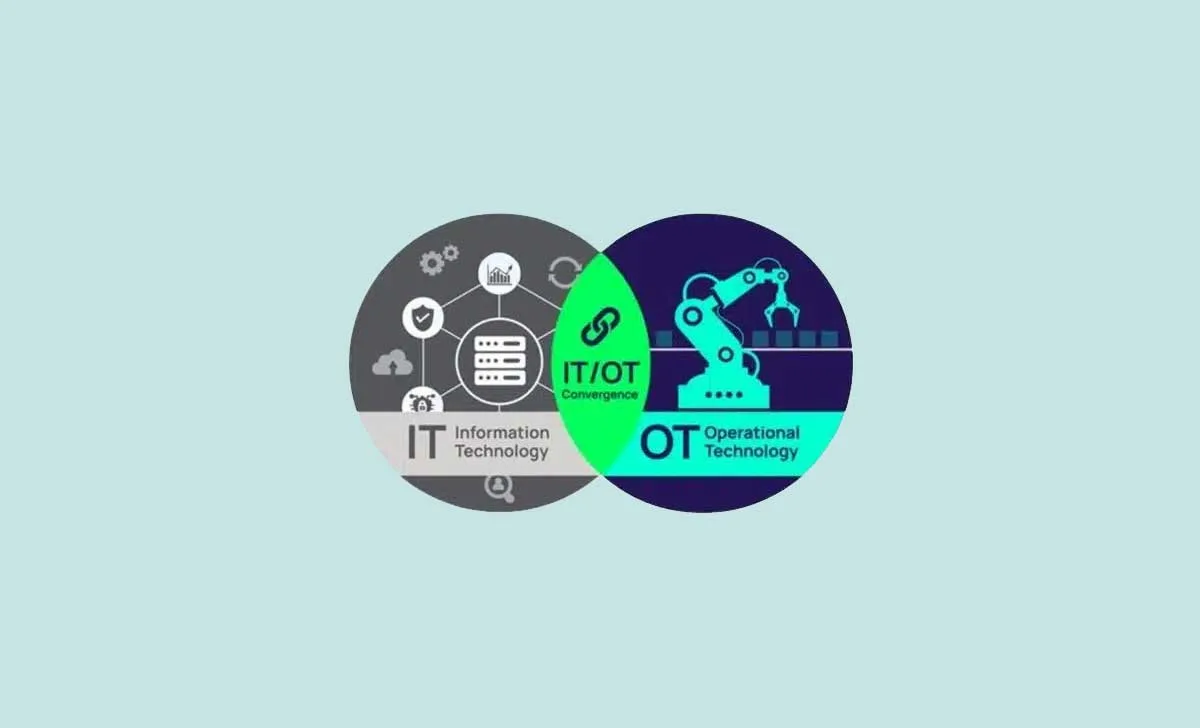
Operational Technology (OT) comprises hardware and software used to modify, monitor or control physical devices, processes and business events. Unlike Information Technology (IT) systems, OT systems directly affect the physical world. This distinctive characteristic introduces additional cybersecurity considerations that are not typically present in traditional IT security architectures.
The convergence of IT and OT
Historically, IT and OT have operated separately, with distinct protocols, standards and cybersecurity measures. However, with the advent of the Industrial Internet of Things (IIoT), the two domains are converging. This development improves efficiency and supports data-driven decision-making, but also exposes OT systems to the same cyber threats affecting IT.
Unique cybersecurity considerations for OT
Real-time requirements
OT systems often operate in real time and cannot tolerate delays. Slowdowns can cause significant operational problems or even safety hazards. For this reason, cybersecurity measures such as multi-factor authentication (MFA), temporary access request workflows or session activity monitoring may not be suitable. It is essential to test any privileged access management (PAM) solution in real-world environments to ensure that it meets performance requirements without compromising security.
Legacy systems and connectivity
Many OT systems are ageing and were designed to last and withstand harsh conditions. Because cybersecurity was not a priority when they were developed, they lack protection against today's threats, increasing the risk of attacks. Furthermore, integration with IT networks and the internet increases their exposure.
Main challenges:
- Outdated hardware and software: incompatibility with modern security solutions leaves them vulnerable to breaches, ransomware and manipulation.
- Lack of encryption: the absence of encryption exposes sensitive data to breaches of confidentiality and integrity.
- Insecure communication protocols: protocols such as Modbus, which lack authentication or encryption, are vulnerable to attack.
- Difficulty implementing controls: many legacy systems do not support modern cybersecurity measures.
- Third-party remote connections: external connections can become entry points for attacks.
- Lack of security awareness: operators may be vulnerable to social engineering techniques.
- Default or predictable credentials: many OT devices use preset or easily guessed passwords.
Safety and reliability
In OT environments, the priority is to maintain the safety and reliability of physical processes, in marked contrast to IT environments, where data confidentiality and integrity are central concerns.
- Safety: OT systems control physical processes, with potentially serious consequences if they malfunction, as in energy facilities.
- Reliability: proper operation of OT systems is essential to prevent operational disruption and financial losses.
Cybersecurity measures that protect data but undermine the reliability of OT systems may be considered unsuitable. For example, a security update that fixes a vulnerability might be avoided if it causes instability.
Balancing security and functionality
Cybersecurity strategies for OT environments must balance data security with operational continuity, often taking approaches different from conventional IT security. It is necessary to:
- Understand the unique characteristics of OT systems.
- Design measures that provide protection without compromising operation.
For example, the OWASP Top 10 for web applications also applies to OT, while the OWASP IoT list specifically addresses common vulnerabilities in OT systems integrated with IoT devices.
The growing importance of OT cybersecurity
As IT and OT continue to converge, OT cybersecurity will become increasingly critical. Adopting practices such as encryption and modernising legacy systems will be essential to protect data and infrastructure while ensuring the safety and reliability of operational processes.
Source: The Hacker News