 Italiano
 English
 Español
 Português
 Deutsch
 Français

News 2 min read
Artificial Intelligence: A Revolution for Manufacturing
Manufacturing is undergoing a radical transformation thanks to the introduction of artificial intelligence (AI). This change is not only redefining how products are...
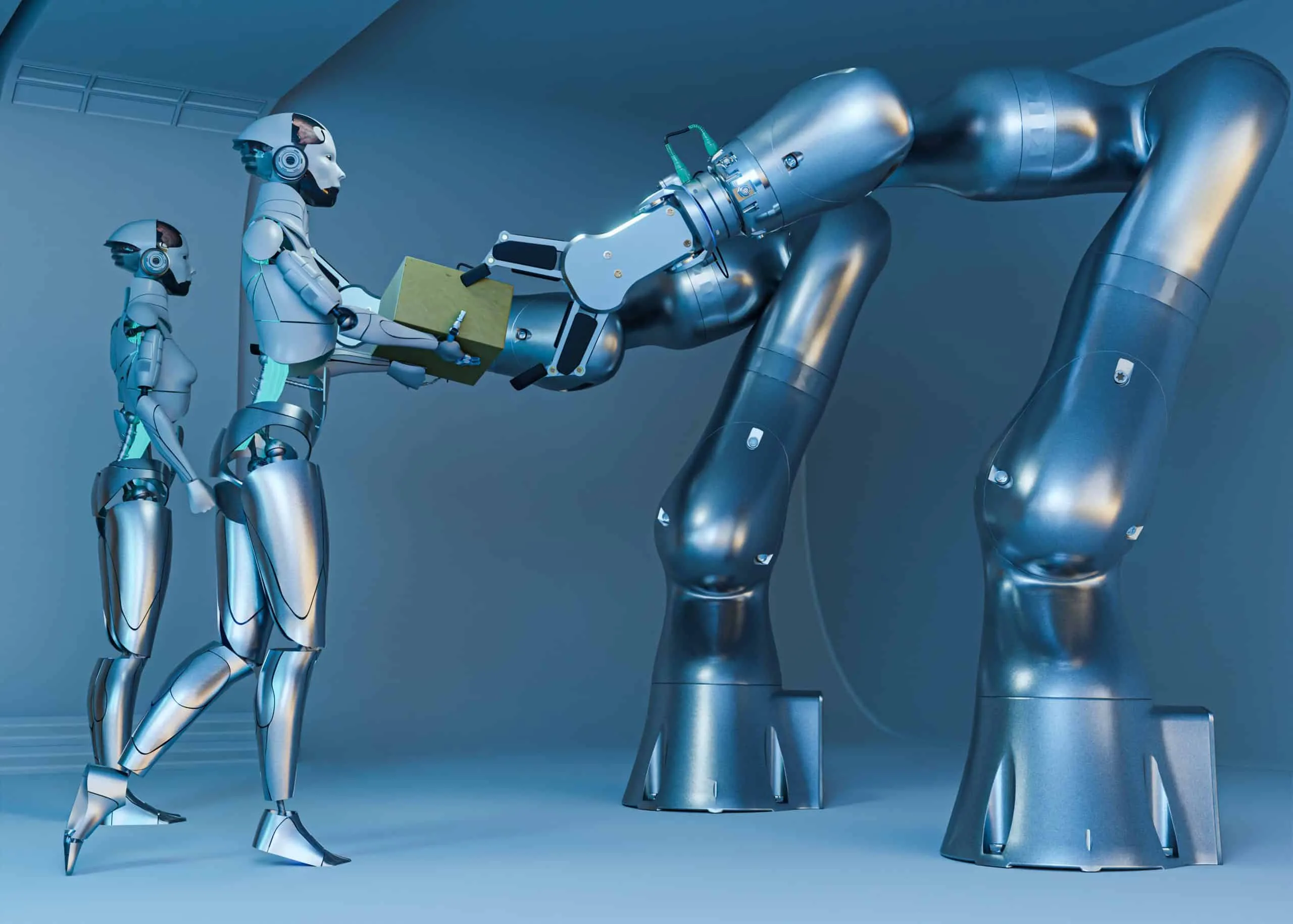
The manufacturing industry is undergoing a radical transformation thanks to the introduction of artificial intelligence (AI). This change is not only reshaping how goods are designed, manufactured and distributed, but also improving efficiency, reducing costs and fostering innovation in key sectors.
AI in Manufacturing
Artificial intelligence is finding widespread applications at different stages of production. For example:
- Predictive Maintenance: By using sensors and advanced algorithms, AI can predict machinery failures before they occur, reducing downtime and associated costs.
- Process Optimisation: Machine-learning algorithms analyse vast amounts of data to optimise production lines, reduce waste and increase productivity.
- Intelligent Automation: AI-powered robots carry out complex tasks with a high degree of precision, such as assembling delicate components or handling hazardous materials.
AI for Quality and Customisation
Another area in which AI is making great strides is quality control. Computer-vision systems analyse products in real time, identifying defects that might escape the human eye. AI also makes it possible to customise products at scale by analysing consumer preferences and adapting production in real time.
Logistics and Supply Chains
AI is also transforming logistics and supply-chain management. Intelligent platforms monitor the flow of materials and products, optimise delivery routes and manage stock with unprecedented precision. This not only reduces costs but also promotes greater environmental sustainability.
Challenges and Opportunities
Despite its benefits, adopting AI in manufacturing also presents challenges. These include the need to update workforce skills, initial implementation costs and concerns about data security. Nevertheless, the opportunities offered by AI far outweigh these obstacles, paving the way for a more innovative and competitive future.
The Future of Manufacturing
As AI continues to advance, we can expect factories to become increasingly interconnected and autonomous. Technologies such as the digital twin, which creates virtual replicas of production processes, and the IoT (Internet of Things), which connects machinery and devices, will further help reshape the manufacturing sector.
Artificial intelligence therefore represents not just a technology but a genuine revolution for manufacturing. Companies that embrace this transformation will be better positioned to meet future challenges and seize the opportunities offered by a constantly evolving market.
By LeonardoNetwork